Look at any category in India, from real-estate developers to D2C skincare brands to IT service companies, and you’ll notice something: most businesses look remarkably similar. Similar websites, similar promises, similar ads, similar prices.
To a customer comparing options, they blur together. And when businesses look the same, customers default to the one thing they can easily compare: price.
The grid problem
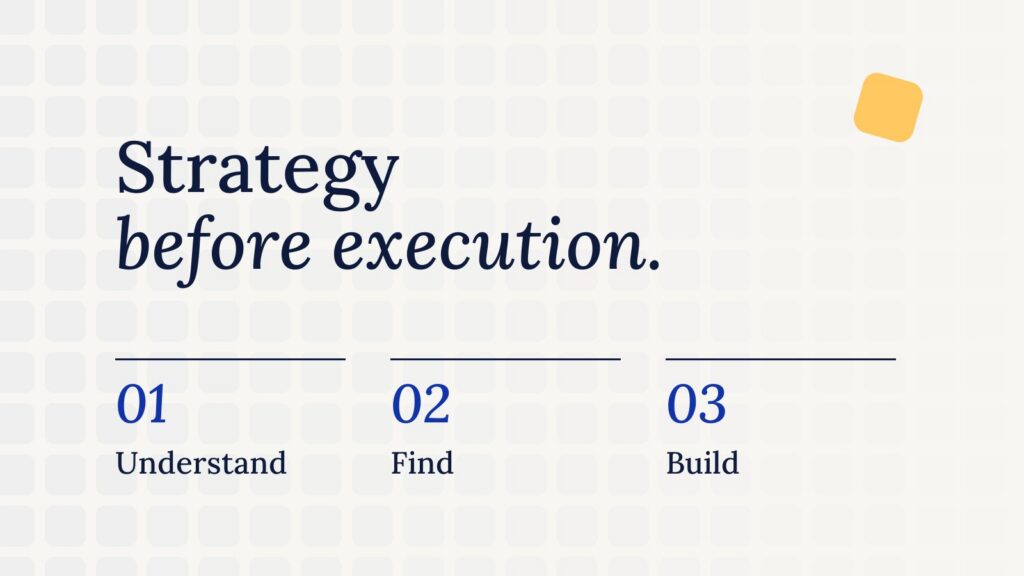
Think of a market as a grid of identical tiles. Every business is one tile. They follow the same playbook, use the same channels and say the same things, so customers have no reason to notice any one of them.
Most businesses try to win inside the grid by working harder: more spend, more posts, more discounts. But working harder inside the grid only makes you a slightly busier tile.
Growth starts when one thing breaks the pattern.
What breaking out actually means
Breaking out doesn’t require a huge budget or a viral moment. It requires clarity on a few things that most businesses never define:
- A sharper position. What can you own that competitors can’t easily copy? It might be a specific customer, a specific problem, or a specific way of working.
- A clearer offer. Can a customer understand what you do, who it’s for and why it’s better in a few seconds?
- A consistent story. Does every touchpoint, from your website to your sales calls, reinforce the same idea?
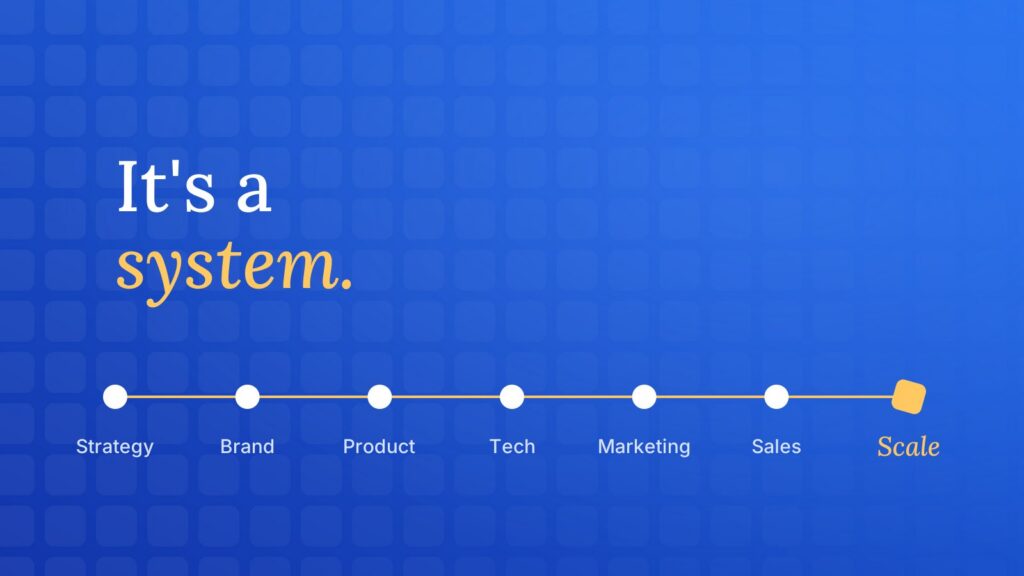
- A better system. Is your marketing connected to your sales process, so attention actually turns into revenue?
The shift: from more to different
The businesses that break out make one important shift. They stop asking “how do we do more?” and start asking “how are we different, and does every customer know it?”
That question changes everything downstream. It shapes which customers you target, which channels you prioritise, what your content says and how your sales team pitches. Suddenly every effort points in the same direction.
Where to start
Write down, in one sentence, why a customer should choose you over the alternatives. Then ask five recent customers why they actually chose you. If the answers don’t match, you’ve found your starting point.