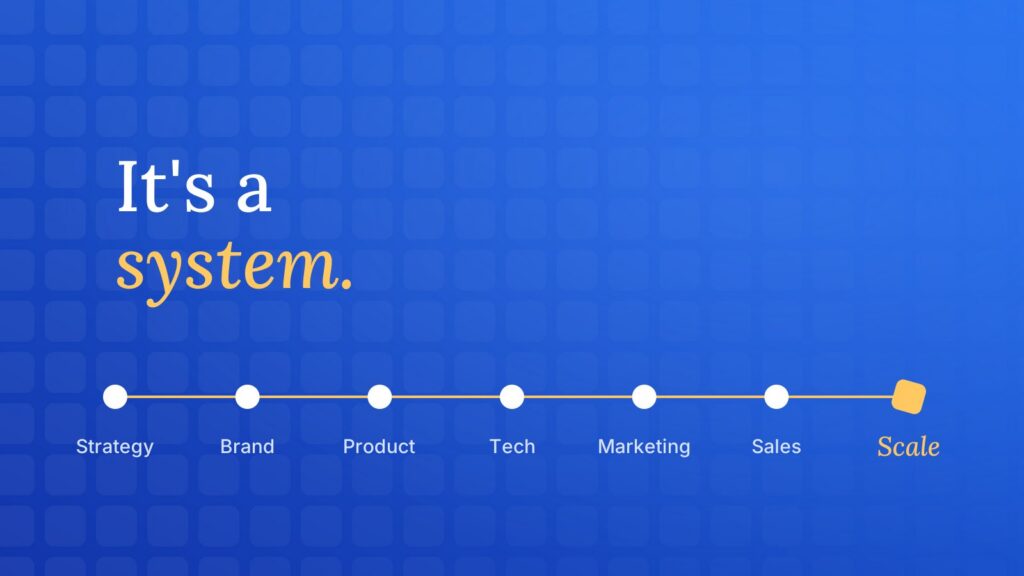
When a business brings in a new marketing partner, there’s pressure to show results quickly. Launch the ads. Post the content. Redesign the website. Activity feels like progress.
But in our experience, the businesses that grow fastest are the ones that spend their first few weeks doing something less visible: understanding.
The cost of skipping strategy
Execution without strategy is expensive guesswork. Without a clear picture of who you’re targeting, what makes you different and where growth is really blocked, every campaign is a test with no hypothesis.
Teams end up optimising things that don’t matter: tweaking ad creatives when the offer is the real problem, or chasing more traffic when the website can’t convert the visitors it already has.
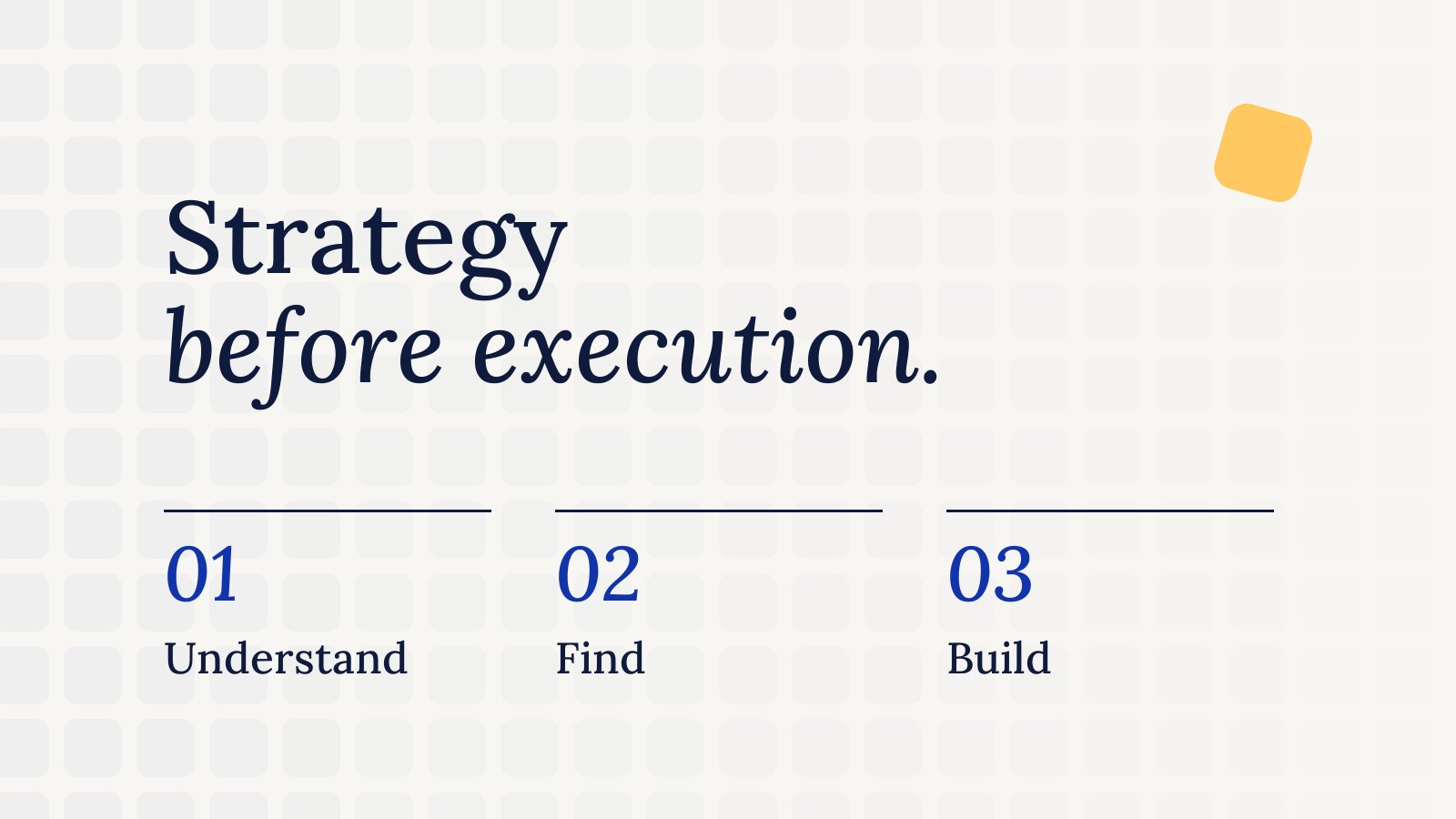
Our three-step approach
Every MadGrove engagement follows the same simple sequence:
- Understand. Where does the business want to go? Who are the best customers, and why do they buy? What’s been tried before, and what happened?
- Find. What’s actually holding growth back? It’s rarely what it looks like on the surface. A lead-generation problem might really be a positioning problem, or a sales follow-up problem.
- Build. Only then do we build what the business needs next, and only that, measuring everything so we can learn and scale what works.
It’s slower in week one. It’s much faster by month three.
What good strategy work produces
Strategy shouldn’t be a thick document that sits in a folder. Good strategy work produces a handful of clear decisions:
- Who you’re for, and who you’re not for
- The one message that makes you the obvious choice
- The few channels that matter most right now
- The metrics that define success
- The things you’ll stop doing
Those decisions make every piece of execution faster and sharper, because everyone knows what they’re aiming for.
Start with the business, not the channel
If you’re about to invest in marketing, resist the urge to start with “which platform should we be on?” Start instead with “where do we want the business to be in a year, and what’s stopping us?” The right channels become obvious once that answer is clear.